Author: Daniel Sasu

  • HEALTH CRISIS FEARS AS US WALKS AWAY FROM WHO: Africa Braces for Funding Shockwaves

    HEALTH CRISIS FEARS AS US WALKS AWAY FROM WHO: Africa Braces for Funding Shockwaves

    Millions at Risk as Washington’s Exit Raises Alarms Over Disease Control, Vaccination Programs, and Emergency Healthcare Funding Across the Continent

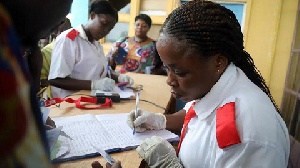
    Africa’s healthcare systems could be facing a period of unprecedented uncertainty following the United States’ decision to withdraw from the World Health Organization (WHO), a move that experts warn may trigger major disruptions in critical health programs across the continent.

    For decades, the United States has been one of the largest financial contributors to the WHO, helping fund initiatives that combat deadly diseases, strengthen health systems, and support emergency responses in some of Africa’s most vulnerable regions. Now, concerns are mounting that a reduction in resources could leave millions exposed to heightened health risks.

    A Financial Lifeline Under Threat

    The WHO plays a central role in coordinating international health efforts, from vaccination campaigns and disease surveillance to outbreak response and maternal healthcare programs. Much of this work in Africa has relied on funding streams supported by major donors, with the United States historically accounting for a significant share of the organization’s budget.

    Health experts fear that America’s departure could create a funding gap that may force the WHO to scale back programs or seek emergency contributions from other nations and partners.

    “The consequences could be severe if alternative funding is not secured quickly,” analysts warn, pointing to the continent’s ongoing battles against malaria, tuberculosis, HIV/AIDS, cholera, and emerging disease outbreaks.

    Disease Surveillance Could Take a Hit

    One of the biggest concerns is the potential weakening of disease monitoring systems that help identify outbreaks before they spiral into full-blown health emergencies.

    Across Africa, WHO-supported surveillance networks have been instrumental in tracking diseases ranging from Ebola and mpox to COVID-19 and cholera. Reduced funding could slow response times, limit testing capacity, and undermine efforts to contain future outbreaks.

    Public health specialists caution that infectious diseases do not respect borders, meaning the impact of weakened surveillance in Africa could ultimately be felt worldwide.

    Vaccination Programs Face New Uncertainty

    Millions of children across Africa benefit from immunization campaigns supported directly or indirectly through WHO-led initiatives. Any disruption to funding could complicate efforts to maintain vaccination coverage against diseases such as measles, polio, and yellow fever.

    Health advocates warn that even temporary setbacks could reverse years of progress, potentially opening the door to preventable disease outbreaks in communities that have already faced significant healthcare challenges.

    Pressure on Fragile Health Systems

    Many African nations continue to grapple with overstretched healthcare infrastructure, shortages of medical personnel, and limited access to essential medicines.

    The WHO often provides technical expertise, training, emergency supplies, and coordination support during health crises. A reduction in available resources could place additional strain on countries already struggling to meet growing healthcare demands.

    In conflict zones and regions affected by humanitarian emergencies, the consequences could be particularly severe, with vulnerable populations facing greater barriers to lifesaving care.

    Calls for New Partnerships

    As uncertainty grows, policymakers and healthcare leaders are urging African governments to strengthen domestic healthcare financing and diversify partnerships with international donors, development banks, and private-sector organizations.

    Some analysts argue that the situation could become a turning point, encouraging African countries to reduce dependence on external funding and invest more heavily in local health systems.

    However, many acknowledge that building self-sustaining healthcare infrastructure takes time—something that may be in short supply if funding gaps emerge quickly.

    The Bigger Global Picture

    The WHO’s work extends far beyond individual countries, serving as a key coordinator during global health emergencies. Critics of the US withdrawal warn that weakening the organization could undermine international cooperation at a time when the world remains vulnerable to future pandemics and cross-border disease threats.

    For Africa, where healthcare challenges remain among the most complex in the world, the stakes could not be higher.

    As governments, health agencies, and international donors scramble to assess the fallout, one question looms large: who will step in to fill the gap if one of the world’s largest health funders walks away?

    For millions across the continent, the answer could shape the future of healthcare for years to come.

  • “Ga Mantse, Tamale, Fufu!” – Surinamese Woman Stuns Ghanaians with Deep Cultural Knowledge and Striking Similarities

    “Ga Mantse, Tamale, Fufu!” – Surinamese Woman Stuns Ghanaians with Deep Cultural Knowledge and Striking Similarities

    A Surinamese woman has left many Ghanaians amazed after showcasing an unexpected depth of knowledge about Ghanaian culture, history, and traditions, sparking conversations about the enduring ties between Africa and its diaspora.

    In a captivating video that has quickly gained attention online, the woman effortlessly mentioned iconic Ghanaian cultural references, including the Ga Mantse, Tamale, and the beloved local delicacy fufu, leaving viewers both surprised and impressed.

    What began as a casual conversation soon turned into a fascinating cultural exchange as she highlighted remarkable similarities between life in Suriname and Ghana. Her observations shed light on the historical and cultural connections that have survived centuries despite the vast distance separating the two nations.

    The woman explained that many traditions, foods, names, and customs found in Suriname bear a striking resemblance to those practiced in Ghana today. Her comments reignited discussions about the legacy of enslaved Africans who were taken from West Africa to South America, with many descendants preserving aspects of their ancestral heritage through generations.

    Social media users were particularly stunned by her familiarity with Ghanaian cultural symbols. The mention of the Ga Mantse, the revered king of the Ga State, alongside references to Tamale and fufu, sparked admiration from Ghanaians who did not expect someone from Suriname to be so knowledgeable about their heritage.

    Many viewers flooded the comments section, expressing pride and excitement over the cultural connection. Others described the interaction as a powerful reminder of the unbreakable bond between Africa and its diaspora.

    “This is incredible,” one commenter wrote. “The connection between Ghana and Suriname is stronger than many people realize.”

    Another added, “You can tell our history still lives on through generations. This is beautiful to watch.”

    The viral moment has once again highlighted Ghana’s growing role as a cultural home for people of African descent around the world, particularly those seeking to reconnect with their roots.

    As the video continues to circulate, many are calling it more than just a cultural exchange—it is being celebrated as a moving testament to history, identity, and the enduring influence of Ghanaian heritage across continents.

  • PRESSURE MOUNTS ON MAHAMA AS CALLS GROW FOR PROBE INTO ALLEGED US$58 MILLION KENNEDY AGYAPONG KICKBACK

    PRESSURE MOUNTS ON MAHAMA AS CALLS GROW FOR PROBE INTO ALLEGED US$58 MILLION KENNEDY AGYAPONG KICKBACK

    Political Storm Brewing as Demands for Transparency Intensify

    A fresh political controversy is gathering momentum as mounting pressure is reportedly being placed on President John Dramani Mahama to authorize a full-scale investigation into allegations surrounding an alleged US$58 million kickback linked to former Assin Central MP, Kennedy Agyapong.

    The explosive claims have sparked heated debate across the political landscape, with critics, civil society actors, and opposition voices demanding answers over the circumstances surrounding the alleged payment. The controversy has quickly become one of the most talked-about political issues, fueling calls for accountability and transparency at the highest levels.

    Political observers say the allegations, if proven, could have far-reaching implications for Ghana’s governance and anti-corruption agenda. As public interest intensifies, many are questioning whether the Mahama administration will take decisive action to address growing concerns and restore confidence in public institutions.

    Sources close to the debate indicate that pressure is mounting from multiple quarters for state investigative agencies to launch an independent probe into the matter. Advocates argue that only a transparent investigation can establish the facts and dispel widespread speculation.

    Meanwhile, supporters of Kennedy Agyapong have pushed back against the allegations, insisting that any claims must be supported by credible evidence and due process rather than political rhetoric. They warn against what they describe as attempts to tarnish reputations without substantiated proof.

    The unfolding controversy has ignited fierce reactions on social media, with citizens demanding clarity and accountability. Political analysts predict that the issue could dominate national discourse in the coming weeks, particularly if new details emerge.

    As the pressure campaign gains momentum, all eyes remain fixed on President Mahama and relevant state institutions. Whether an official investigation will be launched—and what it may uncover—could shape the next chapter of one of the country’s most closely watched political sagas.

    “The Public Deserves Answers”

    With public scrutiny growing by the day, many Ghanaians are now calling for a comprehensive examination of the allegations to determine the truth behind the reported US$58 million kickback claim.

    For now, the controversy continues to generate headlines, raise questions, and place political leaders under increasing pressure to act.

  • MICHELLE OBAMA HOSTS TEMS AT STAR-STUDDED OPENING OF OBAMA PRESIDENTIAL CENTER IN CHICAGO

    MICHELLE OBAMA HOSTS TEMS AT STAR-STUDDED OPENING OF OBAMA PRESIDENTIAL CENTER IN CHICAGO

    Chicago, USA — The newly unveiled Obama Presidential Center became the center of global attention this week as former First Lady Michelle Obama welcomed Nigerian music sensation Tems to the stage during the grand opening celebrations of the landmark complex in Chicago.

    The emotional, music-filled ceremony marked the official launch of the long-awaited center built in honor of former U.S. President Barack Obama, drawing world leaders, celebrities, and thousands of visitors to the South Side of Chicago.

    A GLOBAL SPOTLIGHT MOMENT

    Tems, one of Africa’s biggest contemporary music exports, delivered a standout performance as part of a carefully curated lineup featuring global icons including Stevie Wonder, John Legend, Bruce Springsteen, and Jennifer Hudson.

    Her appearance was widely seen as a symbolic moment for African music on the world stage, as she represented a new generation of global artists commanding top-tier international platforms.

    Witnesses described the atmosphere as electric, with Michelle Obama personally engaging with performers and guests throughout the evening, reinforcing the event’s tone of celebration and cultural unity.

    THE OBAMA CENTER OPENS WITH STAR POWER

    The opening ceremony of the $850 million Obama Presidential Center transformed Chicago into a global cultural hub for the weekend, blending politics, performance, and legacy storytelling.

    The center, located on the city’s South Side, includes a museum, library, public gardens, and community spaces designed to promote civic engagement and education. Its launch drew former presidents, global entertainers, and civic leaders in one of the most high-profile gatherings in recent U.S. history.

    TEMS STEALS THE MOMENT

    During her set, Tems performed fan favorites in a stripped-down, soulful delivery that resonated with the audience and online viewers alike. Clips of her performance quickly circulated across social media, with many praising her vocal control and stage presence in such a prestigious setting.

    Her inclusion in the lineup underscored her rising global influence, placing her alongside some of the most respected names in music history at a landmark civic event.

    MICHELLE OBAMA’S CULTURAL CURATION

    Michelle Obama’s role in shaping the tone of the event was widely noted, as she emphasized community, culture, and connection throughout the ceremony. Her engagement with performers like Tems reflected the broader vision of the Obama Presidential Center as more than a museum—but a living cultural space.

    A SYMBOLIC CROSSROADS OF MUSIC AND LEGACY

    As the night closed, the moment stood out not just as a concert performance, but as a symbolic intersection of African global culture and American political legacy.

    For Tems, it marked another milestone in a rapidly ascending international career. For the Obamas, it marked the beginning of a new cultural institution meant to inspire future generations.

    And for the audience, it was a reminder that the Obama legacy—like the music on stage—continues to echo far beyond borders.

  • “DOCTORS AND NURSES ARE KILLING PEOPLE!” – Akosua Agyapong’s Explosive Comment Sparks Nationwide Debate

    “DOCTORS AND NURSES ARE KILLING PEOPLE!” – Akosua Agyapong’s Explosive Comment Sparks Nationwide Debate

    A controversial storm has erupted after veteran Ghanaian entertainer Akosua Agyapong allegedly made a shocking claim suggesting that medical professionals are responsible for preventable deaths in hospitals across Ghana.

    The statement, which has since gone viral on social media, has ignited fierce public backlash and intense debate over the state of healthcare delivery in the country.

    In the remarks attributed to her, Akosua Agyapong reportedly expressed deep frustration about patient care in some health facilities, alleging that negligence and poor treatment outcomes are costing lives. Her comments, however, have been widely interpreted as an attack on the integrity of doctors and nurses, prompting strong reactions from health professionals and members of the public.

    Medical practitioners and advocacy voices have pushed back strongly, insisting that while Ghana’s healthcare system faces significant challenges, the broad generalisation is unfair to hardworking professionals who continue to operate under difficult conditions.

    The controversy has quickly escalated online, with some users supporting her concerns about systemic issues in hospitals, while others accuse her of exaggeration and undermining trust in essential healthcare workers.

    Health sector stakeholders are now calling for calm and urging that concerns about patient safety be addressed through constructive dialogue and institutional reforms rather than sweeping accusations.

    As debate rages on, the comments have reignited a long-standing national conversation about healthcare quality, accountability, and resource constraints in Ghana’s medical system.

    Whether intended as criticism or frustration, Akosua Agyapong’s remarks have undeniably struck a nerve—and the fallout continues to grow.

  • “I WAS SAD OVER OTTO ADDO’S DISMISSAL” — GOSPEL STAR GRACE ASHLY REACTS TO BLACK STARS COACHING SHAKE-UP

    “I WAS SAD OVER OTTO ADDO’S DISMISSAL” — GOSPEL STAR GRACE ASHLY REACTS TO BLACK STARS COACHING SHAKE-UP

    Ghanaian gospel musician Grace Ashly has openly expressed her disappointment over the reported dismissal of Black Stars head coach Otto Addo, admitting she was deeply saddened by the development.

    Speaking in a reflective tone, the gospel singer said she did not take the news lightly, adding that she had grown emotionally attached to the coach’s efforts with the national team.

    Her reaction comes amid widespread public debate following changes in the technical leadership of the senior national football team, the Black Stars, a move that has divided opinion among fans, analysts, and former players.

    Grace Ashly’s comments add a cultural and emotional dimension to the sporting discussion, highlighting how decisions involving the national team often extend beyond the pitch and into the hearts of ordinary supporters and public figures alike.

    While she did not delve into the technical reasons behind the decision, her statement focused on the human side of the change, expressing sympathy for Otto Addo and acknowledging the pressure that comes with leading a national team with high expectations.

    The reaction has since sparked conversation online, with some agreeing with her sentiments and others pointing to the performance-based nature of football management.

    As debate continues, the development underscores once again the intense scrutiny surrounding the Black Stars and the emotional investment many Ghanaians place in the team’s fortunes.

  • “Dr Likee Has Never Slept With Me” — Efia Odo Fires Back, Sets Record Straight Amid Viral Rumours

    “Dr Likee Has Never Slept With Me” — Efia Odo Fires Back, Sets Record Straight Amid Viral Rumours

    Social Media Personality Dismisses Allegations, Calls Out False Narratives

    Ghanaian social media personality and actress Efia Odo has strongly denied viral rumours suggesting a romantic or sexual relationship with popular comedian Dr Likee, insisting that the claims are completely false and misleading.

    In a blunt response that has since gone viral, Efia Odo categorically stated that she has never been intimate with Dr Likee, urging the public to disregard what she describes as baseless speculation circulating on social media.

    “Dr Likee has never slept with me,” she insisted, shutting down the allegations that have sparked widespread discussion online.

    The denial comes amid ongoing gossip and online commentary linking the two entertainment personalities, despite no confirmed evidence supporting such claims.

    Efia Odo, known for frequently addressing controversies surrounding her personal life, has in the past pushed back against misinformation, warning against the spread of unfounded narratives that damage reputations.

    Her latest response has reignited debate about celebrity privacy in Ghana’s entertainment industry, where rumours often spread rapidly across social media platforms.

    Some fans have praised her for addressing the issue directly, while others argue that the persistent speculation reflects a broader culture of intrusion into the private lives of public figures.

    Dr Likee has not publicly commented on the matter.

    As the conversation continues online, Efia Odo’s message remains clear: the claims are untrue, and she wants the narrative corrected before it gains further traction.

  • RELATIONSHIP FIRESTORM! “Peller Is a Man, Not a Boy” — Jarvis Comes Out Swinging in Defence of Her Husband

    RELATIONSHIP FIRESTORM! “Peller Is a Man, Not a Boy” — Jarvis Comes Out Swinging in Defence of Her Husband

    Drama has erupted online after social media personality Jarvis strongly defended her partner, insisting that Peller is “a man, not a boy,” in response to growing public criticism and online chatter about his character and maturity.

    In a bold and emotional reaction, Jarvis pushed back against ongoing commentary targeting her husband, making it clear she will not tolerate what she describes as disrespectful narratives being circulated about him.

    Her statement quickly set social media ablaze, sparking heated debate among fans and critics. While supporters praised her for standing firmly by her partner, others argued that public figures must be prepared for scrutiny and differing opinions.

    The controversy highlights the increasingly intense spotlight on celebrity relationships in the digital age, where personal lives are constantly dissected, often with little restraint.

    Jarvis’s defence has since gone viral, with many users weighing in on whether her remarks were a justified show of loyalty or an emotional response to online pressure.

    As discussions continue to trend, neither Jarvis nor Peller has indicated whether they will address the issue further—but the conversation around respect, maturity, and public perception shows no signs of slowing down.

  • “AKOFENA SOLD CARS UNDER FALSE PRETENCE!” – Osebo Drops Bombshell Allegation Involving Duncan-Williams Deal

    “AKOFENA SOLD CARS UNDER FALSE PRETENCE!” – Osebo Drops Bombshell Allegation Involving Duncan-Williams Deal

    A fresh wave of controversy has erupted after popular fashion personality and public figure Osebo the Zaraman made explosive allegations claiming that Akofena allegedly sold vehicles to renowned Ghanaian preacher Nicholas Duncan-Williams under what he described as “false pretence.”

    In a statement that has quickly set social media ablaze, Osebo suggested that the transaction involving the high-profile religious leader was not conducted in full transparency, sparking heated debate and speculation among the public.

    According to his claims, the circumstances surrounding the car sale raise serious questions about business ethics and trust in dealings involving well-known figures and commercial entities. However, no official confirmation or response has yet been issued by the parties directly mentioned.

    The allegation has triggered intense online discussion, with supporters and critics weighing in on both sides as the story continues to trend across various platforms.

    While details remain unclear, the situation has placed renewed attention on business practices within the luxury automobile trade and the importance of due diligence in high-value transactions.

    As of now, neither Akofena nor representatives of Archbishop Duncan-Williams have publicly addressed the claims, leaving room for further clarification as the story develops.

    The controversy continues to unfold, with many calling for transparency and restraint until all facts are properly established.

  • KANTANKA BURIAL SAGA ROCKED BY CONTROVERSY: AJAGURAJAH’S OLD PROPHECY RESURFACES AFTER ADWOA SAFO SHOOTING INCIDENT

    KANTANKA BURIAL SAGA ROCKED BY CONTROVERSY: AJAGURAJAH’S OLD PROPHECY RESURFACES AFTER ADWOA SAFO SHOOTING INCIDENT

    Accra, Ghana — A wave of shock, speculation, and renewed debate has swept across social and traditional media following the resurfacing of an old prophecy by controversial spiritual figure Ajagurajah, after reports linked to an alleged shooting incident involving former MP Adwoa Safo.

    The developments have reignited public fascination with what has become widely referred to online as the “Kantanka Burial Saga,” drawing intense attention to the spiritual, political, and cultural narratives surrounding the name Kantanka.

    A PROPHECY REVISITED

    The controversy erupted after social media users began circulating old video clips and sermon excerpts attributed to Ajagurajah, in which he allegedly warned of looming misfortune and symbolic “burial” imagery tied to high-profile figures.

    Following recent claims surrounding an alleged shooting incident involving Adwoa Safo, those earlier statements have resurfaced with renewed intensity, fueling heated debate online about whether the prophecy was symbolic, coincidental, or spiritually significant.

    THE KANTANKA CONNECTION FUELS SPECULATION

    The inclusion of the name Kantanka in trending discussions has further amplified public curiosity. While Kantanka is widely known as a Ghanaian automotive and technological brand, its mention in the broader online narrative has triggered a storm of interpretations, theories, and counterclaims.

    Some social media users insist the saga is being misinterpreted and exaggerated, while others believe it points to deeper cultural and spiritual undertones.

    SOCIAL MEDIA ERUPTS

    Across platforms, hashtags linked to the “Kantanka Burial Saga” have surged, with users dissecting old videos, prophetic statements, and political developments frame by frame.

    Supporters of Ajagurajah argue that his messages are often misunderstood and taken out of context, while critics dismiss the resurfaced prophecy as coincidence amplified by viral misinformation.

    Meanwhile, discussions surrounding Adwoa Safo have remained highly sensitive, with many urging caution until official confirmations clarify the circumstances of the reported incident.

    PUBLIC FIGURES AND SILENCE

    As speculation grows louder, there has been no official statement linking the prophecy to the alleged incident. Both political commentators and religious observers have called for restraint, warning against the rapid spread of unverified interpretations.

    Authorities have also not confirmed any connection between the resurfaced prophecy, the Kantanka-related narratives, and the reported shooting incident.

    A NATION CAUGHT BETWEEN FAITH AND FACT

    The unfolding discourse reflects a broader reality in Ghanaian public life—where spirituality, politics, and social media often intersect in powerful and unpredictable ways.

    For now, the “Kantanka Burial Saga” remains a trending topic defined more by interpretation than verified fact, as Ghanaians await clarity amid a swirl of emotion, belief, and speculation.

    What remains certain is that the combination of prophecy, politics, and public anxiety has once again created a viral storm that shows no sign of fading soon.