Author: Daniel Sasu

  • Ghana Strikes Big! Afreximbank Partnership to Supercharge Strategic Minerals Development

    Ghana Strikes Big! Afreximbank Partnership to Supercharge Strategic Minerals Development

    In a move set to transform the mining sector, Ghana has officially engaged the African Export-Import Bank (Afreximbank) to accelerate the development of its strategic minerals, raising hopes for economic growth, investment, and job creation.

    Officials say the partnership will provide critical funding, technical expertise, and international support to ensure that Ghana’s rich deposits of minerals like lithium, manganese, and bauxite are harnessed efficiently and sustainably. Analysts are calling it a game-changing step for positioning Ghana as a continental leader in mineral production and export.

    The deal is expected to unlock new opportunities for local industries, empower miners, and strengthen Ghana’s global competitiveness, while also ensuring that strategic resources contribute to national development rather than being exploited without local benefit.

    As the Afreximbank engagement unfolds, stakeholders are watching closely, recognizing that this could mark the dawn of a new era in Ghana’s strategic minerals sector, with potential ripple effects across the economy.
  • DON’T LEAVE US BEHIND! — COMAC WARNS ENERGY TRANSITION COULD SIDELINE AFRICA

    DON’T LEAVE US BEHIND! — COMAC WARNS ENERGY TRANSITION COULD SIDELINE AFRICA

    Coalition of African energy chiefs raises alarm over rapid global shift to green energy

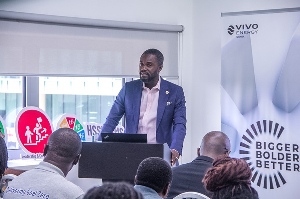
    The Coalition of African Ministers of Energy (COMAC) has sounded the alarm that the global energy transition toward renewables risks sidelining African nations, warning that hasty moves away from fossil fuels could hurt the continent’s economies and energy security.

    “If the world moves too fast without considering Africa, we will be left behind,” COMAC cautioned in a statement, urging inclusive strategies that protect jobs, investments, and development goals.

    THE RISKS AT STAKE

    COMAC highlighted several challenges facing African nations amid the green energy push:

    • Loss of revenue from fossil fuel exports
    • Job displacement in traditional energy sectors
    • Limited access to new technology and financing for renewable projects

    CALL FOR BALANCE

    The coalition urged policymakers and global partners to adopt a measured approach that balances climate goals with Africa’s development needs, emphasizing that the continent cannot transition at the expense of its economy or people.

    THE BIGGER PICTURE

    Africa’s energy future hangs in the balance as the world races toward decarbonization. COMAC’s warning is a stark reminder that global green policies must include Africa, or risk deepening inequalities.

    “Energy transition is inevitable—but it must be just, fair, and inclusive,” COMAC concluded.

  • Africa’s Energy Revolution: Dr Oppong Urges Massive Shift to Renewables to Secure Sovereignty

    Africa’s Energy Revolution: Dr Oppong Urges Massive Shift to Renewables to Secure Sovereignty

    In a bold call to action, energy expert Dr Oppong has urged African nations to dramatically scale up renewable energy adoption, warning that the continent’s energy sovereignty and economic future depend on it.

    According to Dr Oppong, reliance on imported fossil fuels leaves Africa vulnerable to global market swings, supply disruptions, and geopolitical pressures. He stressed that investing in solar, wind, hydro, and other clean energy sources is not just an environmental imperative—it’s a strategic move to claim control over the continent’s energy destiny.

    “Renewables are Africa’s ticket to self-sufficiency,” Dr Oppong stated, emphasizing that countries that embrace innovative, homegrown energy solutions will secure jobs, attract investment, and reduce costs for citizens.

    His warning has ignited debate among policymakers, industry leaders, and environmental advocates, highlighting the urgent need for robust infrastructure, funding, and political will to transform Africa’s energy landscape.

    As the continent grapples with power shortages and rising energy demands, Dr Oppong’s message is clear: the future belongs to those who dare to harness the sun, wind, and water today.

  • AFRICA CAN’T TRADE FREELY WITHOUT PARLIAMENTS! — PATRICIA APPIAGYEI SOUNDS ALARM

    AFRICA CAN’T TRADE FREELY WITHOUT PARLIAMENTS! — PATRICIA APPIAGYEI SOUNDS ALARM

    MP warns that national legislatures hold the key to the continent’s economic future

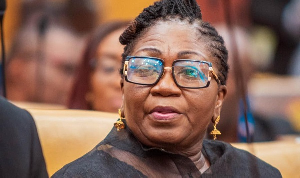
    Ghanaian lawmaker Patricia Appiagyei has issued a stark warning about Africa’s ambitious free trade goals, emphasizing that the success of the African Continental Free Trade Area (AfCFTA) depends on national parliaments approving and implementing key policies.

    “We can sign agreements all we want, but if our parliaments don’t act, Africa’s free trade dreams will remain on paper,” Appiagyei declared.

    THE PARLIAMENTARY CHALLENGE

    Appiagyei highlighted that bureaucracy, delays in ratification, and lack of political will at the national level could stall Africa’s integration and intra-continental trade growth.

    She stressed that MPs must:

    • Fast-track trade-friendly legislation
    • Ensure regional agreements are enforceable locally
    • Promote policies that enhance cross-border commerce

    THE BIGGER PICTURE

    The lawmaker’s warning comes as Africa seeks to boost intra-trade, create jobs, and reduce reliance on imports, but faces hurdles from uneven legislative support across countries.

    CALL TO ACTION

    Appiagyei urged African legislators to rise to the occasion, noting that parliamentary engagement is the linchpin of continental economic transformation.

    “Without active participation from parliaments, free trade remains a dream, not a reality,” she said.

  • COCOBOD ‘Default’ Claims Shattered! Bank Confirms Full Loan Repayment

    COCOBOD ‘Default’ Claims Shattered! Bank Confirms Full Loan Repayment

    Shockwaves are hitting Ghana’s cocoa industry as COCOBOD’s alleged loan default claims come under fire, with the lending bank confirming that the full loan has been repaid. The revelation has sparked outrage, confusion, and serious questions about the handling of one of the country’s most important agricultural institutions.

    Sources reveal that despite public reports suggesting financial mismanagement, the bank’s statement clears COCOBOD of default, exposing discrepancies in earlier claims. Stakeholders are now demanding answers and accountability from those who first announced the alleged default.

    The controversy has sent social media into a frenzy, with industry watchers, cocoa farmers, and citizens questioning how such conflicting information could circulate, potentially undermining confidence in one of Ghana’s most vital export sectors.

    As the dust settles, the focus now shifts to rebuilding trust, clarifying facts, and ensuring transparency, while COCOBOD scrambles to manage the fallout from claims that appear increasingly baseless.

  • GACL VOWS TO TIGHTEN AIRPORT SECURITY AMID SAFETY CONCERNS

    GACL VOWS TO TIGHTEN AIRPORT SECURITY AMID SAFETY CONCERNS

    Ghana Airports Company pledges stronger measures to protect travelers and staff

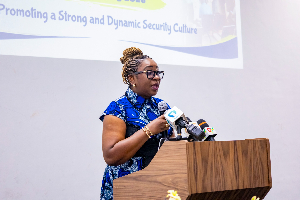
    The Ghana Airports Company Limited (GACL) has reaffirmed its commitment to ensuring the safety and security of all airport facilities, amid growing public concern over potential threats at key aviation hubs.

    “Safety is our top priority. We are implementing measures to guarantee secure travel for everyone,” a GACL spokesperson said.

    SECURITY GETS PRIORITY

    The aviation authority outlined plans to:

    • Enhance surveillance systems across terminals
    • Increase security personnel at strategic points
    • Conduct regular risk assessments to address vulnerabilities

    These steps aim to safeguard passengers, staff, and critical airport infrastructure from potential threats, ensuring that Ghana’s airports remain safe and efficient.

    PUBLIC REACTION

    Travelers and industry observers have welcomed the pledge, noting that airport security is critical for confidence in air travel.

    THE BIG PICTURE

    With rising concerns over global and domestic security challenges, GACL’s renewed focus underscores the importance of proactive measures, constant vigilance, and technological upgrades to protect all stakeholders in Ghana’s aviation sector.

  • Maize Farmers Cry Foul: Atebubu/Amantin Producers Demand Government Rescue Over Plummeting Prices

    Maize Farmers Cry Foul: Atebubu/Amantin Producers Demand Government Rescue Over Plummeting Prices

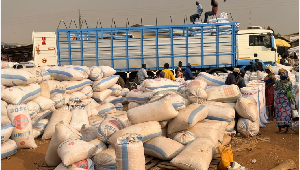
    Agricultural tensions are rising in Atebubu/Amantin as local maize farmers raise the alarm over rock-bottom market prices, urging the government to step in before livelihoods are destroyed. Farmers warn that without immediate intervention, many risk financial ruin and inability to sustain future planting seasons.

    According to community leaders, the price of maize has fallen sharply, leaving producers frustrated and desperate. “We work hard to feed the nation, yet we are barely making enough to survive,” one farmer lamented, highlighting the growing economic strain on rural communities.

    Calls for government action include subsidies, guaranteed buying schemes, and price stabilization mechanisms to protect farmers from market volatility. The situation has sparked nationwide discussions on food security, agricultural policy, and rural development.

    As the crisis unfolds, stakeholders are watching closely, knowing that how authorities respond could shape the future of Ghana’s maize industry and the welfare of thousands of farming families.

  • STOP THE RUMORS! — OFORIKROM MP DEFENDS AFENYO-MARKIN AMID NPP CONTROVERSY

    STOP THE RUMORS! — OFORIKROM MP DEFENDS AFENYO-MARKIN AMID NPP CONTROVERSY

    Accusations of abandonment by party MPs spark fiery clarification

    The political scene was set ablaze after reports suggested that NPP MPs had abandoned Afenyo-Markin, the former Deputy Speaker, in a recent controversy. However, the Oforikrom MP has stepped forward to set the record straight, insisting that the claims are misleading and politically motivated.

    “Those reports are completely false. We remain united and supportive,” the Oforikrom MP told reporters, seeking to calm tensions within the party.

    THE ALLEGATIONS

    Speculation had circulated that several NPP MPs refused to back Afenyo-Markin during a critical moment, fueling debates about loyalty, factionalism, and internal party politics.

    • Critics argued this showed division within the party
    • Some supporters warned that such narratives could weaken NPP’s public image

    MP CLARIFIES THE PARTY POSITION

    According to the Oforikrom MP:

    • Afenyo-Markin has received consistent support from fellow MPs
    • Reports of abandonment are grossly exaggerated
    • Party unity remains strong ahead of upcoming political contests

    PUBLIC REACTION

    The clarification has sparked mixed reactions:

    • Loyalists welcome the reassurance of solidarity
    • Political observers remain cautious, noting internal tensions may still exist behind the scenes

    THE BIGGER PICTURE

    This episode highlights the fragility of political narratives and the ease with which rumors can escalate into perceived scandals. Party leaders are now emphasizing the need for clear communication and transparency to avoid unnecessary confusion among constituents.

  • Chaos at Alpha Hour: Woman Sets Church Auditorium Ablaze!”“Chaos at Alpha Hour: Woman Sets Church Auditorium Ablaze!

    Chaos at Alpha Hour: Woman Sets Church Auditorium Ablaze!”“Chaos at Alpha Hour: Woman Sets Church Auditorium Ablaze!

    Panic and shock erupted at the Alpha Hour church as a woman reportedly set the auditorium on fire, leaving congregants scrambling for safety and sparking fears of widespread destruction. Eyewitnesses described a scene of horror, with smoke and flames engulfing the sacred space in moments.

    Authorities rushed to the scene to contain the blaze and investigate the shocking act, as fire officials worked to prevent the fire from spreading to nearby structures. The motive behind the incident remains unclear, but speculation is rife, with some suggesting personal grievances or mental health issues may have played a role.

    Social media has been flooded with videos, reactions, and calls for justice, as members of the congregation express outrage and demand answers. The incident has also reignited discussions about security and safety measures in places of worship.

    As investigations continue, the Alpha Hour fire stands as a stark reminder of how quickly peace can turn to chaos, leaving the church and its members grappling with fear, loss, and unanswered questions.

  • FBI FORCED ME! — ABU TRICA EXPOSES ALLEGED COERCION DURING ARREST

    FBI FORCED ME! — ABU TRICA EXPOSES ALLEGED COERCION DURING ARREST

    Influencer claims US authorities violated his rights, sparking outrage

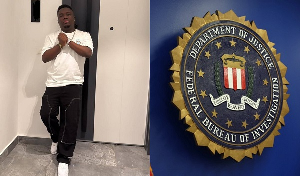
    Ghanaian social media personality Abu Trica has made explosive claims that the FBI forced him to reveal his phone password and sign documents he couldn’t read during a controversial arrest, intensifying his ongoing legal battle against multiple agencies.

    “They made me give up my phone password and sign papers I didn’t even understand,” Abu Trica told reporters, alleging serious violations of his constitutional and human rights.

    ALLEGATIONS SPARK OUTRAGE

    According to Abu Trica, the actions by the FBI, combined with Ghanaian agencies like EOCO and NACOC, were coercive and unlawful, forming the basis for his lawsuit seeking GH¢10 million in damages.

    Social media reactions have been fierce:

    • Supporters argue Abu Trica is standing up to powerful institutions
    • Critics question the accuracy of his claims
    • Legal analysts say the case could set an important precedent on rights protection in cross-border investigations

    THE FIGHT FOR JUSTICE

    Abu Trica insists that he is determined to expose what he describes as heavy-handed tactics by both local and international authorities, saying the ordeal has caused psychological, financial, and reputational damage.

    “I will not be intimidated. This is about my rights and the law,” he declared.

    WHAT THIS MEANS

    The case raises pressing questions about:

    • How citizens’ rights are protected during international investigations
    • The limits of law enforcement powers in cross-border operations
    • Accountability of authorities when coercion and procedural breaches are alleged

    As Abu Trica’s lawsuit unfolds, the nation watches closely, with many wondering: will he succeed in holding these agencies accountable?