Author: Daniel Sasu

  • CLEAN THE ENTIRE HOUSE AT COCOBOD! — PRESIDENT MAHAMA URGED TO ACT

    CLEAN THE ENTIRE HOUSE AT COCOBOD! — PRESIDENT MAHAMA URGED TO ACT

    Calls for reform as stakeholders demand transparency and accountability

    Former President John Mahama has been urged to “clean the entire house” at COCOBOD, signaling widespread concerns over management, operations, and accountability within the cocoa board.

    “It’s time to overhaul COCOBOD, fix inefficiencies, and ensure transparency,” one stakeholder stated, emphasizing the urgent need for reform from top to bottom.

    WHAT STAKEHOLDERS WANT

    • A thorough audit of COCOBOD operations and finances
    • Restructuring of management to boost efficiency and reduce corruption
    • Measures to protect farmers’ interests and stabilize the cocoa sector

    REACTIONS FROM THE PUBLIC

    • Social media users applauded calls for accountability in one of Ghana’s key economic institutions
    • Advocates for farmers emphasized the need for policies that directly benefit cocoa producers
    • The statement has sparked debate over political leadership and institutional reforms

    THE BIGGER PICTURE

    The push to “clean the house” reflects broader concerns about:

    • Ensuring good governance in Ghana’s cocoa industry
    • Strengthening COCOBOD as a strategic economic institution
    • Balancing farmer welfare with national economic goals

    “Cocoa drives Ghana’s economy — it’s time to make sure the people and systems behind it are working properly,” a commentator noted.


  • Don’t Let Ticket Prices Ground Us! — Aviation Expert Urges Government to Act

    Don’t Let Ticket Prices Ground Us! — Aviation Expert Urges Government to Act

    A leading aviation expert has called on the government to intervene in soaring airline ticket prices, warning that high costs could become a major barrier to travel, commerce, and tourism.

    Speaking on the challenges facing travelers, the expert stressed that affordable airfares are essential for economic growth, highlighting that excessive ticket costs could limit mobility for students, businesspeople, and everyday citizens. “We cannot allow cost to clip the wings of our aviation sector,” the expert declared.

    Industry analysts agree that rising fares are driven by fuel prices, airport taxes, and operational costs, but they insist that policy solutions and strategic subsidies could make flying more accessible.

    The expert’s appeal has sparked discussions on social media, with citizens urging government action to ensure air travel remains within reach for all Ghanaians, while also supporting the sustainability of the aviation sector.

  • GHANA’S CEDI SET TO SLIDE IN 2026 — ECONOMISTS ISSUE WARNING

    GHANA’S CEDI SET TO SLIDE IN 2026 — ECONOMISTS ISSUE WARNING

    EM Advisory projects modest depreciation amid economic headwinds

    The Ghanaian cedi is expected to experience a modest decline in value in 2026, according to a recent forecast by EM Advisory, raising concerns for businesses, importers, and everyday consumers.

    “Our projections indicate a gradual depreciation driven by external pressures and domestic fiscal dynamics,” the report stated.

    WHAT THIS MEANS FOR GHANA

    • Importers may face higher costs for foreign goods
    • Consumers could see slight price increases on imported products
    • Exporters might benefit from more competitive pricing abroad

    FACTORS DRIVING THE DEPRECIATION

    • Global economic trends and currency fluctuations
    • Domestic fiscal discipline and government spending patterns
    • Inflationary pressures and market demand for foreign currency

    REACTIONS FROM ECONOMISTS

    • Analysts stress the need for prudent fiscal and monetary policies
    • Businesses are advised to hedge against currency risk
    • Consumers urged to plan for potential increases in imported goods

    THE BIGGER PICTURE

    The cedi’s projected slide highlights:

    • The interconnectedness of global and local economic factors
    • The importance of sound economic policies to maintain currency stability
    • How Ghana’s financial landscape may adjust in the coming year

    “A modest depreciation is manageable if proactive measures are taken now,” economists warned.

  • Executives and Appointees Who Missed the Asset Declaration Deadline

    Executives and Appointees Who Missed the Asset Declaration Deadline

    A government publication lists a number of political appointees and executives who did not submit their asset declarations on time as required under President Mahama’s March–May 2025 deadline:
    (Note: this is from published records as of mid‑April 2025 — and details may be updated or expanded with official release of the full list.)

    Presidential and Government Staff (examples of defaults as of April 17, 2025):

    • Some presidential staffers highlighted in official documents had asset declaration dates pending or late as of the reporting period (names in public asset declaration tables marked as not yet declared by that date).

    Unfortunately, the full official list of all defaulters was not publicly released by the government at the time of reporting, so specific names beyond the partial list of presidential staff and appointees who had declared — versus those who hadn’t — are not available yet.

    What the Government Has Said

    • President Mahama set strict deadlines for asset declarations for all appointees — including ministers, officials, and presidential staff — first by March 31, 2025, then a final cut‑off of May 7, 2025 with dismissal for non‑compliance.
    • Those who missed this faced salary forfeiture and possible removal from office, though data on who exactly was sanctioned has not been fully published.

    Key Takeaway

    There is confirmation of a list of defaulters being compiled — and many high‑ranking officials did miss deadlines — but the complete public list of executives who failed to declare assets after Mahama’s warning isn’t currently in the public domain. Further official publication is expected to clarify the full roster of individuals who defaulted.

  • NEW VAT RULES EXPLAINED: GRA BREAKS DOWN IMPACT ON PRICES!

    NEW VAT RULES EXPLAINED: GRA BREAKS DOWN IMPACT ON PRICES!

    Ghana Revenue Authority reveals how consumers and businesses will feel the bite

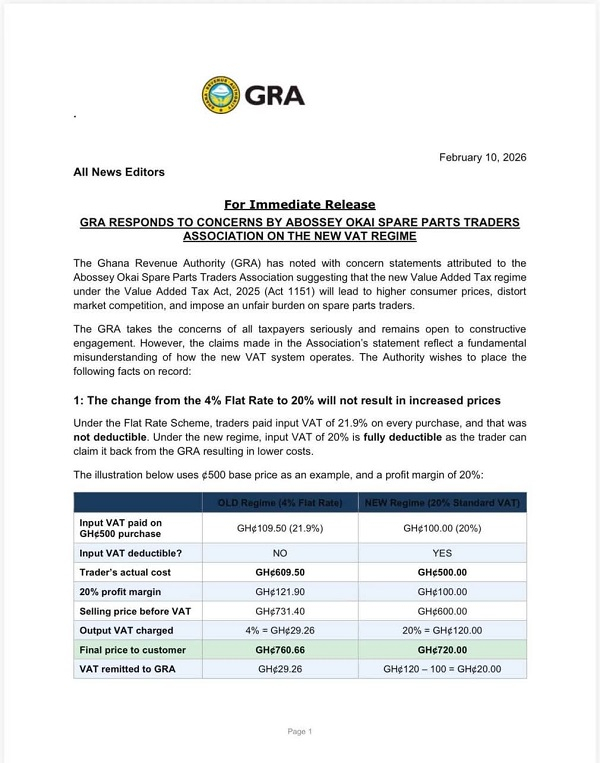
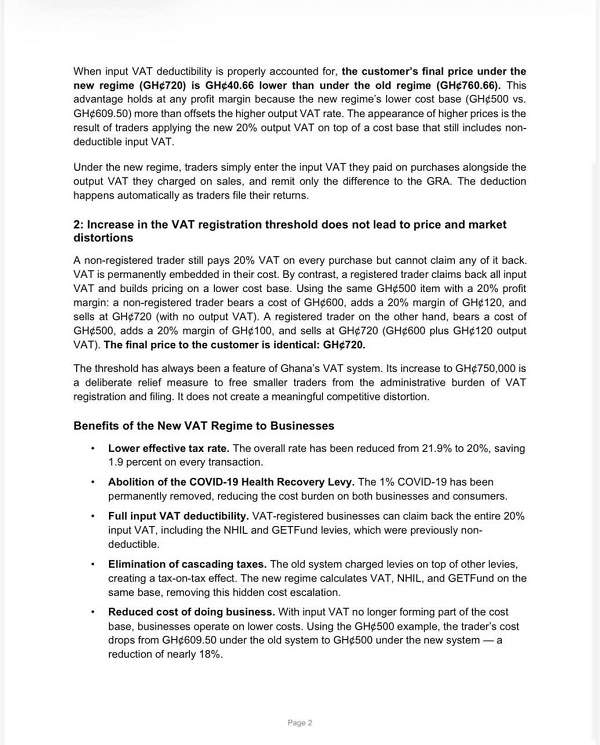
    The Ghana Revenue Authority (GRA) has launched an official guide to the new VAT regime, clarifying how the changes will affect prices, businesses, and everyday shoppers.

    “We want taxpayers to understand what is taxable, what is exempt, and how the new system works,” a GRA spokesperson said.

    KEY HIGHLIGHTS OF THE NEW VAT REGIME

    • Expanded VAT coverage: Certain previously exempt goods and services may now be taxed
    • Standardized rates: Ensures consistent application across sectors
    • Digital compliance: Businesses must now digitally file and report VAT more efficiently

    IMPACT ON CONSUMERS

    • Prices of some goods and services may increase due to the new VAT coverage
    • Businesses are urged to avoid sudden, unjustified price hikes
    • Consumers are advised to check receipts carefully to ensure correct VAT charges

    REACTIONS FROM THE PUBLIC AND BUSINESSES

    • Some business owners express concern about operational adjustments
    • Consumers are anxious about potential price spikes
    • Economists say the system could improve revenue collection and reduce evasion, ultimately benefiting public services

    THE BIGGER PICTURE

    The new VAT regime reflects:

    • Ghana’s push for a more transparent and efficient tax system
    • The government’s aim to strengthen revenue without hurting business growth
    • The importance of public awareness to prevent confusion and exploitation

    “Understanding VAT is crucial — ignorance can cost both businesses and consumers,” GRA warned.

  • President Mahama Lays Down the Law to New Economic Advisory Group!

    President Mahama Lays Down the Law to New Economic Advisory Group!

    President John Dramani Mahama has officially addressed Ghana’s newly appointed Economic Advisory Group, delivering a message packed with urgency, vision, and high expectations for the nation’s economic future.

    In his remarks, Mahama urged the team to prioritize innovation, strategic planning, and sustainable growth, emphasizing that Ghana’s economic trajectory depends on bold policies and accountable leadership. He stressed the need for collaboration between government, private sector, and civil society to tackle pressing challenges such as inflation, job creation, and fiscal stability.

    The president reportedly highlighted that the advisory group’s insights and recommendations will directly shape national policy, placing significant responsibility on the members to deliver actionable strategies that benefit every Ghanaian. Observers say Mahama’s message signals a proactive approach to economic governance, aiming to restore confidence and accelerate development.

    Social media has since buzzed with reactions, with supporters praising the president for taking decisive steps to strengthen economic management, while critics call for accountability and measurable results from the advisory group.

  • Pwalugu Tomato Factory Reopens — Mahama Boosts Farmers with High-Yield Seeds!

    Pwalugu Tomato Factory Reopens — Mahama Boosts Farmers with High-Yield Seeds!

    Excitement as long-dormant factory comes back to life, promising a tomato revolution

    The Pwalugu Tomato Factory has officially reopened, and former President John Mahama has marked the occasion by handing out high-yield seeds to local farmers, signaling a major boost for Ghana’s agricultural sector.

    “We are giving farmers the tools to succeed — these seeds will help maximize output and revive the tomato industry,” Mahama announced during the ceremony.

    WHAT THIS MEANS FOR FARMERS

    • Access to high-yield seeds could significantly increase productivity
    • Reopening of the factory promises steady demand for local produce
    • Boosts income, jobs, and regional economic growth in the Upper East Region

    REACTIONS FROM THE COMMUNITY

    • Farmers expressed excitement, calling the move a “game-changer” for tomato production
    • Agricultural stakeholders hailed the reopening as a step toward self-sufficiency and industrial growth
    • Social media buzzed with optimism about reviving Ghana’s local food processing industry

    THE BIGGER PICTURE

    The reopening highlights:

    • The importance of government and political leaders in agricultural revival
    • How strategic seed distribution and factory support can boost rural economies
    • Ghana’s ongoing efforts to strengthen local food production and reduce imports

    “With factories running and farmers empowered, Ghana’s tomato industry is ready to thrive again,” one farmer remarked.

  • OSP Saves Ghana GH¢5.7 Billion — Massive Win for the Economy!

    OSP Saves Ghana GH¢5.7 Billion — Massive Win for the Economy!

    In a major financial victory, the Office of the Special Prosecutor (OSP) has reportedly saved Ghana a staggering GH¢5.7 billion, a move hailed as a huge boost for the nation’s economy.

    Officials revealed that the savings came through strategic interventions, recovered funds, and the prevention of potential financial leakages, reinforcing OSP’s role in promoting accountability and transparency in public finances. The announcement has been met with widespread praise from citizens, analysts, and policymakers alike.

    Experts note that the move could fund vital infrastructure, social programs, and national development projects, highlighting the importance of strong anti-corruption institutions in driving economic growth. Social media users have celebrated the achievement, calling it a landmark moment in Ghana’s fight against corruption.

    With GH¢5.7 billion safeguarded, OSP’s action is being hailed as a triumph for integrity, governance, and national progress.

  • GET YOUR FACTS RIGHT! — YAA BREFO SCHOOLS PROPHET ODURO OVER BABA JAMAL VOTE-BUYING DRAMA

    GET YOUR FACTS RIGHT! — YAA BREFO SCHOOLS PROPHET ODURO OVER BABA JAMAL VOTE-BUYING DRAMA

    Political showdown heats up as media personality calls out cleric’s claims

    Social commentator Yaa Brefo has fired back at Prophet Oduro, insisting he misrepresented facts in the ongoing controversy surrounding Baba Jamal’s alleged vote-buying saga.

    “Get your facts right before making wild claims,” Yaa Brefo said, emphasizing the need for accuracy over speculation in politically charged discussions.

    WHAT SPARKED THE CLASH

    • Prophet Oduro reportedly criticized Baba Jamal for alleged vote-buying during elections
    • Yaa Brefo responded, arguing that the claims lacked verification and context
    • The debate has quickly escalated on social media, with followers weighing in on ethics, politics, and media responsibility

    SOCIAL MEDIA ERUPTS

    • Users are divided:
      • Some support Yaa Brefo for calling out misinformation
      • Others side with Prophet Oduro for raising alleged electoral malpractice
    • Hashtags about the clash are trending, making the feud a hot topic nationwide

    THE BIGGER PICTURE

    The exchange highlights:

    • The influence of media and public figures in shaping political narratives
    • The blurred line between opinion and verified fact in social debates
    • How Ghanaian society reacts to controversial election stories

    “Politics in Ghana isn’t just about votes, it’s about who controls the narrative,” one user tweeted, reflecting the intense interest in the saga.

  • ‘Church Charged Me GH¢60,000 for December Concert!’ — Esther Smith Drops Jaw-Dropping Claim

    ‘Church Charged Me GH¢60,000 for December Concert!’ — Esther Smith Drops Jaw-Dropping Claim

    Ghanaian gospel singer Esther Smith has stunned fans after revealing that her December concert came with a whopping GH¢60,000 price tag charged by the church hosting the event.

    The singer described her shock at the unexpected fee, questioning the high costs of hosting performances in religious spaces and sparking conversations about the business side of gospel music. Fans have reacted with disbelief, with many debating whether such charges are standard or excessive.

    Industry insiders say the revelation sheds light on financial pressures artists face even in faith-based performances, where expectations meet logistical costs. Esther Smith’s disclosure has ignited social media discussions about transparency, fair compensation, and the commercialization of church events.

    As the debate rages, many are now watching closely to see how churches and artists navigate pricing, partnerships, and fan expectations in future concerts.