

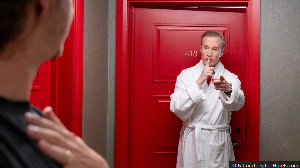
A British etiquette expert would probably avoid a few things in a hotel that might seem harmless but are considered poor manners in formal hospitality culture—especially in the tradition associated with figures like Debrett’s and high-end service standards.
First, they would never treat hotel staff as invisible or “below notice.” In British etiquette, respect is shown consistently to everyone, from concierge to housekeeping. Ignoring greetings, snapping instructions, or failing to say “please” and “thank you” would be seen as distinctly bad form.
They also wouldn’t behave as if hotel rules don’t apply to them. That means no trying to bend check-in or check-out times aggressively, no demanding upgrades as an entitlement, and certainly no attempting to bypass queues at reception. Even in luxury settings, politeness and patience are considered part of good breeding.
Another thing they would avoid is making excessive noise or behaving as if privacy means total freedom from consideration. In shared corridors, lounges, and dining areas, etiquette-minded guests keep their voices moderate and their presence unobtrusive. Slamming doors, playing loud audio, or treating common spaces like private living rooms would be frowned upon.
They would also avoid over-familiarity with staff. While friendliness is encouraged, etiquette draws a clear line between warmth and informality that puts pressure on service staff. A British etiquette expert would keep interactions courteous but appropriately professional.
Finally, they would never leave a hotel room in a state of disregard—messy beyond normal use, or with expectations that staff must clean up unreasonable disorder. Tidy, respectful checkout behaviour is part of the unwritten code of considerate travel.
In short, the core principle is simple: behave as a guest, not an owner. Respect, restraint, and awareness of shared space are the real markers of etiquette in hotels.