

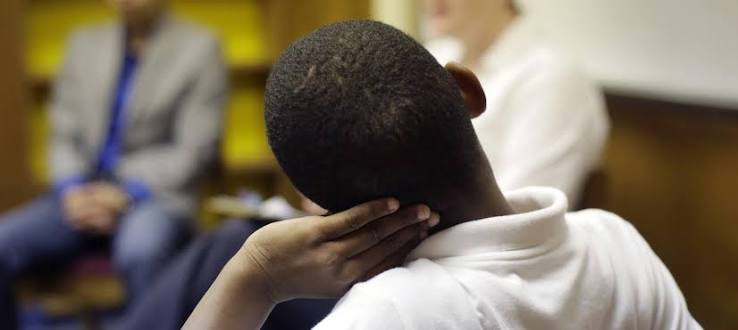
Educators Warn That Weak Enforcement and Changing Social Norms Are Reshaping Student Behaviour in Senior High Schools
A growing debate is emerging within education circles over discipline and authority in senior high schools, as stakeholders question whether existing systems are strong enough to maintain order and prepare students for life beyond the classroom.
Across many institutions in Ghana, concerns are being raised about declining adherence to school rules, increasing incidents of indiscipline, and what some educators describe as a gradual erosion of respect for authority within the school environment.
A System Under Pressure
Teachers and administrators say the challenge is no longer limited to isolated cases of misconduct but reflects broader structural and societal changes affecting student behaviour.
They point to shifting attitudes, stronger peer influence, and the growing impact of social media as factors that are reshaping how students respond to rules and correction in senior high schools.
While the education system continues to emphasize academic performance, critics argue that discipline frameworks have not evolved at the same pace as student realities, leaving schools struggling to enforce consistent standards.
The Role of Enforcement and Authority
Education stakeholders are increasingly questioning whether disciplinary measures are being applied effectively and fairly across schools.
Some argue that weakened enforcement mechanisms, coupled with uncertainty over punishment protocols, have made it harder for school authorities to maintain firm control.
Others, however, caution against overly harsh disciplinary approaches, insisting that modern education must balance discipline with psychological support, guidance, and student rights.
A Call for Reform and Rebalancing
Education experts are calling for a comprehensive rethink of discipline policies in senior high schools, including clearer guidelines, stronger teacher support systems, and improved collaboration between schools, parents, and education authorities.
They stress that discipline should not be viewed purely as punishment but as part of a broader effort to build character, responsibility, and citizenship among young people.
Beyond Punishment: A Cultural Shift Needed
Many observers believe the issue goes beyond school rules and reflects wider societal changes in attitudes toward authority and accountability.
They argue that restoring discipline in schools will require not only policy reforms but also a cultural shift involving families, communities, and national institutions.
The Stakes for the Future
As the debate continues, educators warn that failure to address the issue could undermine academic outcomes and weaken the development of responsible future leaders.
For many stakeholders, the central question is no longer whether discipline is important—but whether the current system is equipped to deliver it effectively in a rapidly changing world.