

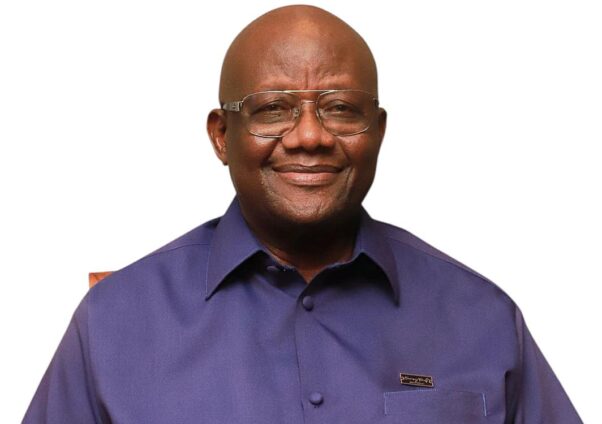
Former New Patriotic Party (NPP) chairman Paul Afoko has sparked fresh political debate after declaring that the New Patriotic Party (NPP) stands a strong chance of winning the 2028 general election—if the party manages to stay united.

Afoko’s remarks have intensified conversations within Ghana’s political circles, especially as parties begin early positioning ahead of the next electoral cycle. His message was direct: internal cohesion, not just policy or popularity, could be the deciding factor in the party’s future electoral success.
According to him, divisions within political organizations often weaken their ability to mobilize supporters effectively, while unity strengthens strategy, messaging, and voter confidence. He suggested that if the NPP is able to reconcile internal differences and work as a cohesive force, it could return to a dominant position in national politics.
The comments come at a time when discussions about party reforms, leadership direction, and internal reconciliation continue to shape conversations within the NPP. Political watchers say such statements from a former top official add weight to ongoing debates about unity and restructuring.
Supporters of the party have reacted with mixed views—some agreeing that unity is essential for electoral success, while others argue that beyond cohesion, the party must also address broader concerns such as economic conditions, governance record, and voter trust.
As Ghana gradually turns its attention toward the 2028 elections, Afoko’s remarks add another layer to the evolving political narrative: whether internal unity alone can translate into electoral victory, or whether deeper reforms will be required to win the confidence of the electorate.
For now, his message lands as both a warning and a challenge—unity, he suggests, may be the NPP’s most powerful campaign tool if it hopes to reclaim power in 2028.