

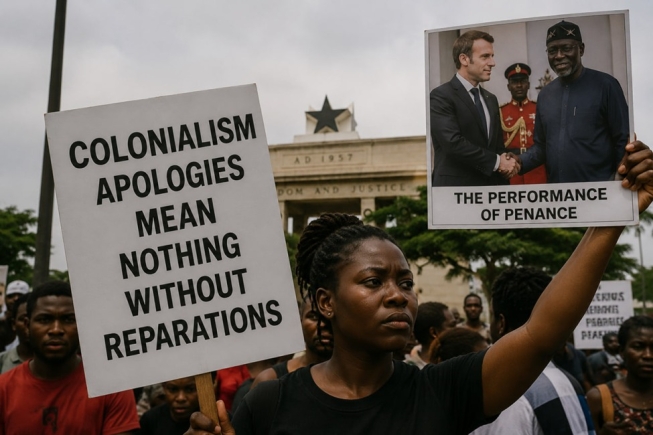
Symbolic apologies for the horrors of colonialism are no longer enough. That is the message emerging from activists, scholars, and political leaders who argue that true accountability must come with reparations.

As former colonial powers increasingly acknowledge the injustices of their past, demands are growing for tangible action to address the economic, social, and cultural damage inflicted on colonized nations.
Critics argue that expressions of regret, however welcome, do little to repair generations of exploitation, resource extraction, forced labor, and systemic inequality that continue to shape the fortunes of many countries today.
“An apology without reparations is merely words,” campaigners insist, contending that meaningful justice requires financial compensation, debt relief, investment in affected communities, and the return of looted cultural artifacts.
The debate has gained momentum in recent years as African and Caribbean nations intensify calls for former colonial powers to confront their historical responsibilities. Advocates say the wealth accumulated during colonial rule helped build powerful economies in Europe while leaving lasting scars across formerly colonized societies.
Supporters of reparations argue that acknowledging history must go beyond speeches and ceremonies. They believe concrete measures are necessary to address the enduring legacy of colonialism and create a more equitable future.
Opponents, however, maintain that modern generations should not be held financially responsible for actions committed centuries ago, warning that reparations could prove politically and legally complex.
Despite the divisions, one thing is clear: the conversation is far from over. As pressure mounts on former colonial powers, calls for reparative justice are becoming increasingly difficult to ignore.
For many advocates, the issue is simple—history cannot be changed, but its consequences can be addressed. And until that happens, they argue, apologies alone will never be enough.