

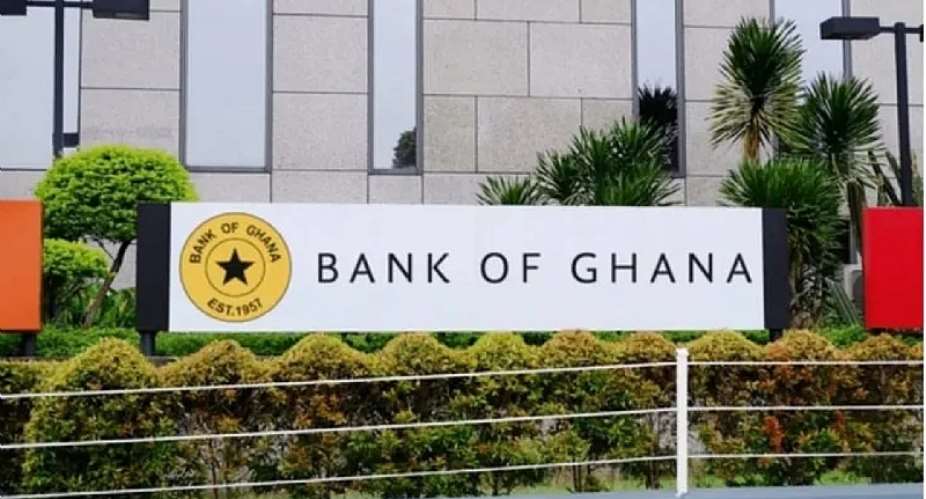
The Bank of Ghana has issued a sweeping directive instructing all financial institutions to immediately halt any form of support for unauthorised cryptocurrency wallets, in a move aimed at tightening regulatory control over the country’s rapidly expanding digital asset space.
The directive is expected to have wide-reaching implications for banks, fintech companies, and payment service providers operating within Ghana’s financial ecosystem, especially those with indirect exposure to crypto-related transactions.
According to the central bank, the decision forms part of efforts to curb potential risks associated with unregulated digital currency activities, including money laundering, fraud, and consumer protection concerns.
Under the new directive, financial institutions are prohibited from facilitating transactions, providing services, or maintaining business relationships with crypto wallets that have not been officially authorised or licensed under Ghana’s regulatory framework.
The move comes amid growing global scrutiny of cryptocurrency operations and increasing concerns from regulators about the lack of oversight in certain digital asset platforms.
Industry analysts say the directive could significantly reshape the operational landscape for crypto-related businesses in Ghana, potentially forcing many to either regularise their operations or suspend services entirely.
Some fintech stakeholders are expected to seek clarification on the implementation of the order, particularly regarding how “unauthorised wallets” will be identified and the compliance timelines for affected institutions.
The central bank has, in recent years, repeatedly cautioned the public about the risks associated with unregulated digital currencies, while also exploring frameworks to better regulate emerging financial technologies.
The latest directive signals a firmer stance by the BoG as it moves to balance innovation in the financial sector with the need to maintain stability, security, and regulatory oversight.
As the policy takes effect, attention is now focused on how banks and digital payment platforms will adjust their systems to comply with the new rules, and what it could mean for the future of cryptocurrency adoption in Ghana.