

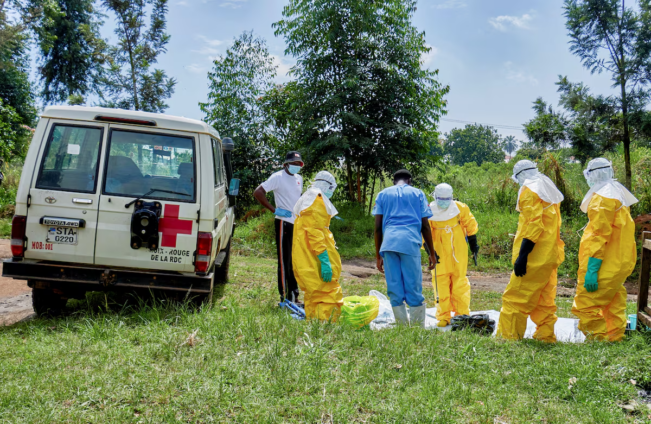
The Democratic Republic of the Congo is facing renewed concern over its Ebola outbreak after health authorities confirmed a staggering 782 cases, with the deadly virus now spreading into two additional health zones.
The latest figures have intensified fears among health officials and international partners as efforts continue to contain one of the country’s most challenging public health emergencies.
According to authorities, the emergence of new infections in previously unaffected health zones signals a worrying expansion of the outbreak, raising concerns about further transmission if swift containment measures are not implemented.
Health experts warn that the spread of Ebola into new areas could complicate response efforts, particularly in regions with limited healthcare infrastructure and difficult access to medical services.
Officials say surveillance teams, contact tracers, and emergency response personnel have been deployed to the affected communities to identify potential cases, monitor contacts, and prevent further spread of the highly infectious disease.
The Ebola virus, which is transmitted through direct contact with infected bodily fluids, is known for causing severe illness and can be fatal if not detected and treated promptly.
Authorities have intensified public awareness campaigns, urging residents to report symptoms early and cooperate with health workers conducting investigations and contact tracing exercises.
The latest developments have also prompted concerns among international health organizations, which continue to support Congo’s response through the provision of medical supplies, technical expertise, and emergency funding.
Health officials remain hopeful that ongoing vaccination efforts, improved surveillance systems, and community engagement initiatives will help slow the transmission of the virus and prevent the outbreak from escalating further.
However, the confirmation of 782 cases and the spread into two new health zones underscore the significant challenges that remain in bringing the outbreak under control.
Communities have been urged to remain vigilant, follow public health guidelines, and avoid practices that could increase the risk of infection as authorities race against time to contain the disease.
As the situation evolves, all eyes remain on Congo’s health authorities and their partners as they work to stop the deadly virus from gaining a stronger foothold in the affected regions.