

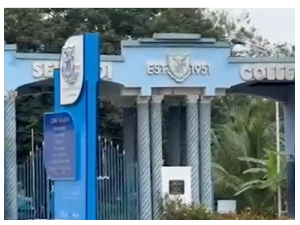
The West African Examinations Council is facing growing scrutiny after it defended its decision to bar 154 candidates from Sekondi College from sitting for their Chemistry examination, a move that has triggered debate among education stakeholders and parents.
The examining body, West African Examinations Council, insists the decision was taken in line with strict examination regulations, arguing that the action was necessary to uphold the integrity and credibility of the examination process.
According to WAEC, the affected candidates were prevented from writing the paper due to alleged procedural or administrative infractions, though specific details surrounding the incident have fueled public questions and calls for greater transparency.
The development has sparked outrage among sections of the public, with critics describing the mass barring as harsh and potentially damaging to the academic futures of the students involved. Parents and education advocates are demanding a review of the decision and clearer communication from examination authorities.
On the other hand, some education observers have defended WAEC’s stance, arguing that maintaining strict examination standards is essential to preserving fairness and preventing malpractice within the system.
The incident has reignited broader conversations about examination discipline, student rights, and the balance between enforcement and fairness in Ghana’s education system.
As pressure mounts, attention is now focused on whether WAEC will maintain its position or reconsider the fate of the affected students in the coming days.