

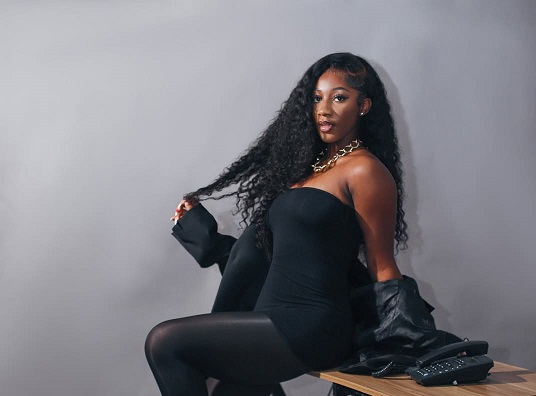
Ghanaian content creator and media personality Gisela Amponsah has pushed back against common misconceptions about social media influencers, arguing that many creators today are focused on shaping culture and driving conversations rather than simply pursuing fame.
Speaking on the evolving role of influencers in society, Gisela said the digital landscape has transformed significantly, giving content creators the power to influence trends, lifestyles, consumer behavior, and even social discourse.
According to her, the impact of influencers extends far beyond accumulating followers and gaining public attention. She noted that many creators are using their platforms to educate, inspire, entertain, and promote meaningful conversations that resonate with audiences across different demographics.
“Influencers are shaping culture, not chasing celebrity status,” she stated, emphasizing that the profession has evolved into a powerful force capable of influencing public opinion and cultural trends.
Gisela explained that social media has democratized influence, allowing individuals with unique talents, perspectives, and ideas to connect directly with audiences without relying on traditional media gatekeepers. As a result, creators now play a significant role in determining what becomes popular and relevant in contemporary society.
She also highlighted the growing responsibility that comes with influence, stressing that content creators must be mindful of the messages they share and the impact those messages can have on their followers.
The media personality observed that while some people continue to view influencing as a quest for fame and recognition, many successful creators are focused on building communities, promoting brands, creating opportunities, and driving positive change through their platforms.
Her comments have sparked discussions online, with supporters agreeing that influencers have become major cultural contributors in areas such as fashion, entertainment, business, technology, and social advocacy. Others, however, argue that the pursuit of visibility and celebrity status remains a key motivation for some individuals in the industry.
Despite the differing opinions, there is little doubt that influencers have become an integral part of modern culture, often shaping trends and conversations at a pace unmatched by traditional forms of media.
As the creator economy continues to expand, Gisela believes the role of influencers will become even more significant, with content creators increasingly serving as cultural architects who influence how people think, communicate, and engage with the world around them.
Her remarks add to the ongoing conversation about the growing influence of digital creators and the changing definition of celebrity in the age of social media.