Government Bets on Culture as a Driver of Jobs, Identity, and Economic Growth
The Vice President has officially launched Ghana’s revised Cultural Policy, marking a major update to the country’s framework for managing arts, heritage, and the creative economy.
The new policy aims to reposition culture not only as a symbol of national identity but also as a strategic economic asset capable of generating jobs, boosting tourism, and expanding Ghana’s global cultural influence.
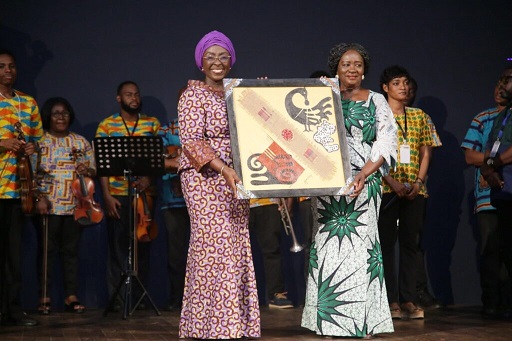
The updated framework was unveiled at a formal ceremony attended by policymakers, traditional leaders, cultural practitioners, and stakeholders from the creative industry. It replaces earlier policy guidelines that officials say no longer reflect the realities of today’s rapidly evolving cultural and digital landscape.
According to government representatives, the revised policy focuses on strengthening institutions responsible for cultural preservation, improving funding structures for creative professionals, and expanding access to training and development opportunities in the arts.
It also places emphasis on protecting Ghana’s intangible heritage, promoting local languages, and supporting cultural exports such as music, film, fashion, and visual arts.
Officials explained that the policy is designed to align with broader national development goals, particularly efforts to diversify the economy beyond traditional sectors and position Ghana as a leading cultural hub in Africa.
The Vice President highlighted the importance of investing in young creatives, noting that the country’s youth-driven cultural industries have significant potential for innovation and international collaboration.
Stakeholders in the creative sector have welcomed the revised policy, describing it as a timely intervention that could address long-standing challenges such as limited funding, weak infrastructure, and inadequate global promotion of Ghanaian cultural products.
However, some industry voices are calling for clear implementation plans and sustained government commitment to ensure that the policy does not remain merely aspirational.
The launch of the revised Cultural Policy is expected to shape future decisions in education, tourism, media, and creative enterprise development, as Ghana seeks to deepen the role of culture in national growth and global engagement.