

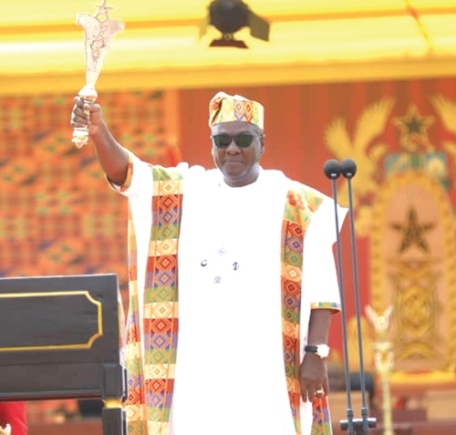
Fresh polling figures measuring the President’s popularity have ignited intense political discussion, with supporters and critics offering sharply different interpretations of what the numbers mean for the administration’s future.
The latest survey results have placed the President’s approval ratings firmly in the national spotlight, fueling speculation about voter sentiment, government performance, and the political landscape ahead of upcoming electoral contests.
While supporters argue the figures demonstrate continued public confidence in the President’s leadership and policy direction, opponents insist the numbers reveal growing dissatisfaction over key national issues, including the economy, governance, and public service delivery.
Political analysts say poll numbers often serve as an important indicator of public mood, but caution that a single survey may not fully capture the complexities of voter behavior. Nevertheless, the latest findings have intensified debate across political circles, with parties closely monitoring trends that could influence future campaigns and policy decisions.
The release of the poll has also sparked a battle of narratives, with both allies and critics rushing to claim momentum. Social media platforms have been flooded with reactions as citizens dissect the figures and speculate about their implications.
As the political temperature rises, one thing is clear: the President’s poll numbers are more than just statistics—they have become the latest battleground in the fight for public opinion and political advantage