

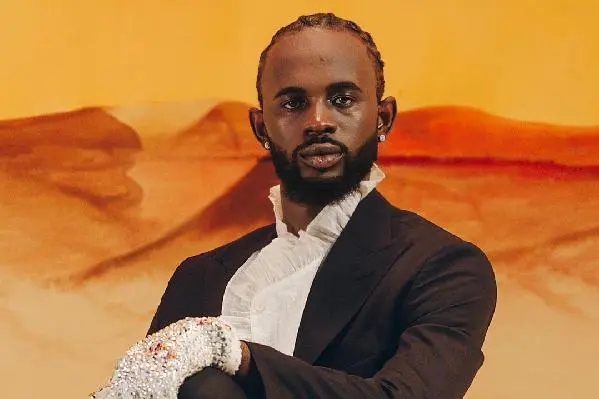
A fresh conversation has erupted in Ghana’s entertainment space after broadcaster and media personality Kafui Dey made a striking revelation about the rise of award-winning musician Black Sherif, claiming the star’s early popularity was significantly powered by strategic use of WhatsApp Status.
According to Kafui Dey, long before the streaming numbers, international recognition, and chart-topping success, Black Sherif’s music circulated rapidly through personal networks via the status feature of WhatsApp. He suggested that this grassroots digital exposure played a crucial role in building the buzz that later transformed the artiste into a national and global sensation.
The revelation has sparked widespread discussion about how modern music careers are being shaped outside traditional media channels, with social platforms increasingly acting as launchpads for emerging talent. In Black Sherif’s case, supporters argue that his emotional storytelling and relatable lyrics made his early content highly shareable, fueling organic growth across mobile networks.
Kafui Dey’s comments also highlight a broader shift in the entertainment industry, where virality, peer-to-peer sharing, and digital word-of-mouth are now as influential as radio play or formal promotion. Critics of traditional gatekeeping in the industry say the story underscores how artists can now break through without heavy institutional backing.
While Black Sherif’s rise has since become a mainstream success story—with hit records, awards, and international collaborations—this latest narrative reinforces the idea that his journey may have started in the most unassuming of places: everyday WhatsApp Status updates shared between friends.
The discussion continues to gain traction online, with fans debating just how pivotal those early digital moments were in shaping one of Ghana’s most celebrated modern music careers.