

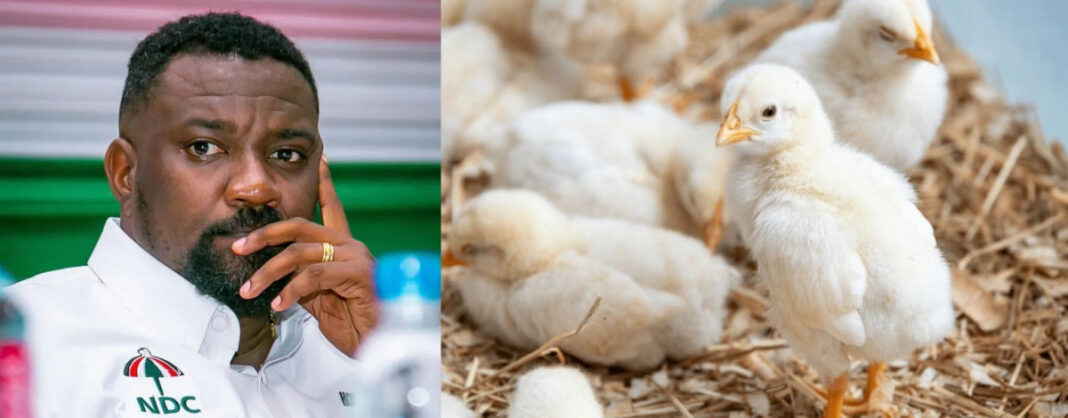
Massive Livestock Rollout Sparks Optimism in Local Poultry Industry
The Government of Ghana, through its agricultural support initiatives, has announced the distribution of approximately 1.7 million poultry birds under the flagship programme known as the “Nkoko Nkitinkiti” initiative, in what officials describe as one of the largest livestock interventions in recent years.
The programme, implemented under the broader agricultural transformation agenda of the Ministry of Food and Agriculture, is aimed at boosting domestic poultry production, reducing import dependency, and strengthening food security across the country.
“A Game-Changing Intervention for Farmers”
Officials say the large-scale distribution is designed to empower smallholder farmers, youth groups and agricultural cooperatives by increasing access to starter stock and improving poultry production capacity nationwide.
The initiative, branded as Nkoko Nkitinkiti Programme, has been described as a strategic push to revive Ghana’s struggling poultry sector, which has long been challenged by high production costs and competition from imported poultry products.
Economic and Food Security Push
Authorities argue that the rollout of 1.7 million birds is not just a welfare intervention but a calculated economic strategy to stimulate rural livelihoods, create jobs along the value chain, and enhance local meat production.
The programme is also expected to support feed producers, veterinary service providers, transport operators, and market traders, creating ripple effects across the agricultural economy.
Farmers React with Cautious Optimism
While many beneficiary farmers have welcomed the initiative as a timely boost, stakeholders are also calling for sustained support in the form of veterinary services, affordable feed, and market access to ensure long-term success.
Some agricultural observers note that without strong follow-up systems, large distribution programmes risk failing to achieve their intended productivity gains.
Government’s Long-Term Vision
The Government of Ghana maintains that the initiative forms part of a broader strategy to achieve food self-sufficiency and modernize the agricultural sector through targeted investments and inclusive participation.
Officials insist that strengthening domestic poultry production remains critical to reducing import bills and improving national food resilience.
As implementation continues, attention is now turning to how effectively the distributed birds will translate into sustainable production increases and measurable economic impact across farming communities.