

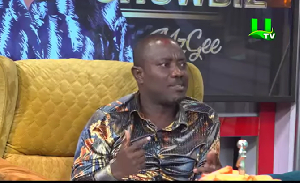
A storm is brewing in Ghana’s cultural space as creative industry advocate Frimpong Ziega fires a bold shot at government — demanding that creative arts be stripped from the Tourism Ministry and reassigned to Sports.
In a fiery call to action, Ziega declared that keeping creative arts under tourism is stifling the sector’s true potential and reducing it to a mere supporting act for visitor entertainment.
“Creative arts is a powerhouse industry on its own — not a decorative extension of tourism,” he insisted.
“Creative Arts Is Bigger Than Souvenirs and Festivals”
According to Ziega, Ghana’s musicians, filmmakers, fashion designers, dancers, and digital creators are driving economic growth, youth employment, and global recognition — yet they remain boxed under a tourism-centered framework that fails to prioritize their development.
He argues that the current structure under the Ministry of Tourism, Arts and Culture treats creative arts as an appendage rather than a core economic driver.
Instead, Ziega is pushing for the sector to be aligned with the Ministry of Youth and Sports, where he believes it would receive the competitive focus, investment drive, and institutional attention similar to sports development.
“Put Creative Arts Where Performance Matters”
Drawing parallels with sports, Ziega stressed that both industries thrive on talent discovery, performance, sponsorship, global branding, and structured development pathways.
“Sports gets the investment because we understand medals, leagues, rankings, and competition. Creative arts operates the same way — albums, box office, fashion weeks, streaming charts. Why treat them differently?” he questioned.
A Growing Frustration in the Industry
His remarks echo long-standing frustrations within Ghana’s creative community, where stakeholders have repeatedly complained about inadequate funding, weak policy implementation, and limited infrastructure support.
Industry players argue that despite the sector’s potential to generate massive revenue and reduce unemployment, it has not received the strategic attention it deserves.
A Policy Shake-Up Ahead?
Ziega’s proposal, if considered, would signal a significant policy shift — one that could redefine how Ghana structures and funds its creative economy.
Whether government will heed the call remains uncertain. But one thing is clear: the debate over where creative arts truly belongs has now taken center stage — and it’s not going away quietly.