

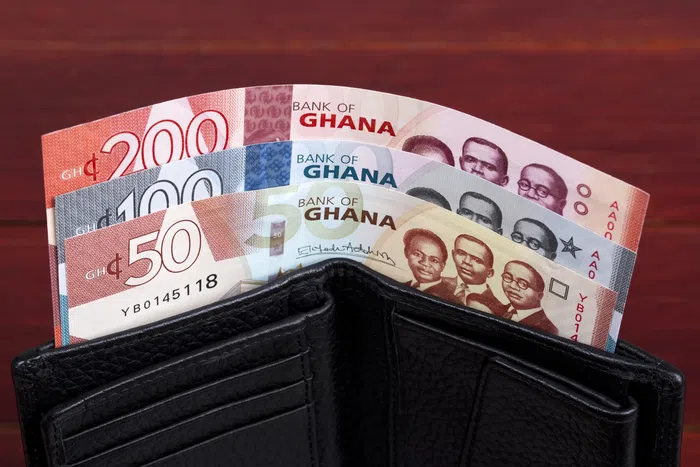
1. Track Your Expenses Religiously
Many people overspend simply because they don’t know where their money goes.

- Keep a notebook, use a phone app, or Excel to record every cedi you spend.
- Categorize spending into essentials (food, transport, bills) and non-essentials (eating out, subscriptions).
- Once you see patterns, it’s easier to cut unnecessary costs.
2. Plan Your Meals and Grocery Shopping
Food costs can spiral if you shop without a plan.
- Make a weekly meal plan and stick to a shopping list.
- Buy in bulk for staples like rice, gari, and cooking oil to save more.
- Consider local markets over supermarkets for better deals, especially in regions like Accra, Kumasi, or Takoradi.
3. Limit Transport and Fuel Costs
Transportation is one of the biggest monthly expenses in Ghana.
- Walk or bike for short trips instead of taking tro-tros or taxis.
- Use shared rides or public transport whenever possible.
- Maintain your vehicle regularly if you own one to avoid costly repairs.
4. Cut Unnecessary Subscriptions and Impulse Purchases
Streaming services, airtime bundles, and online shopping can drain your wallet.
- Review subscriptions monthly and cancel what you rarely use.
- Avoid buying items on impulse—sleep on it before purchasing.
5. Set a Realistic Budget and Stick to It
A budget is your financial roadmap.
- Allocate funds for essentials, savings, and a small leisure allowance.
- Treat savings as a non-negotiable “expense” so you don’t overspend.
- Use envelopes or separate bank accounts to physically separate spending categories.